Supporting the Mental Health and Well-Being of Every Student
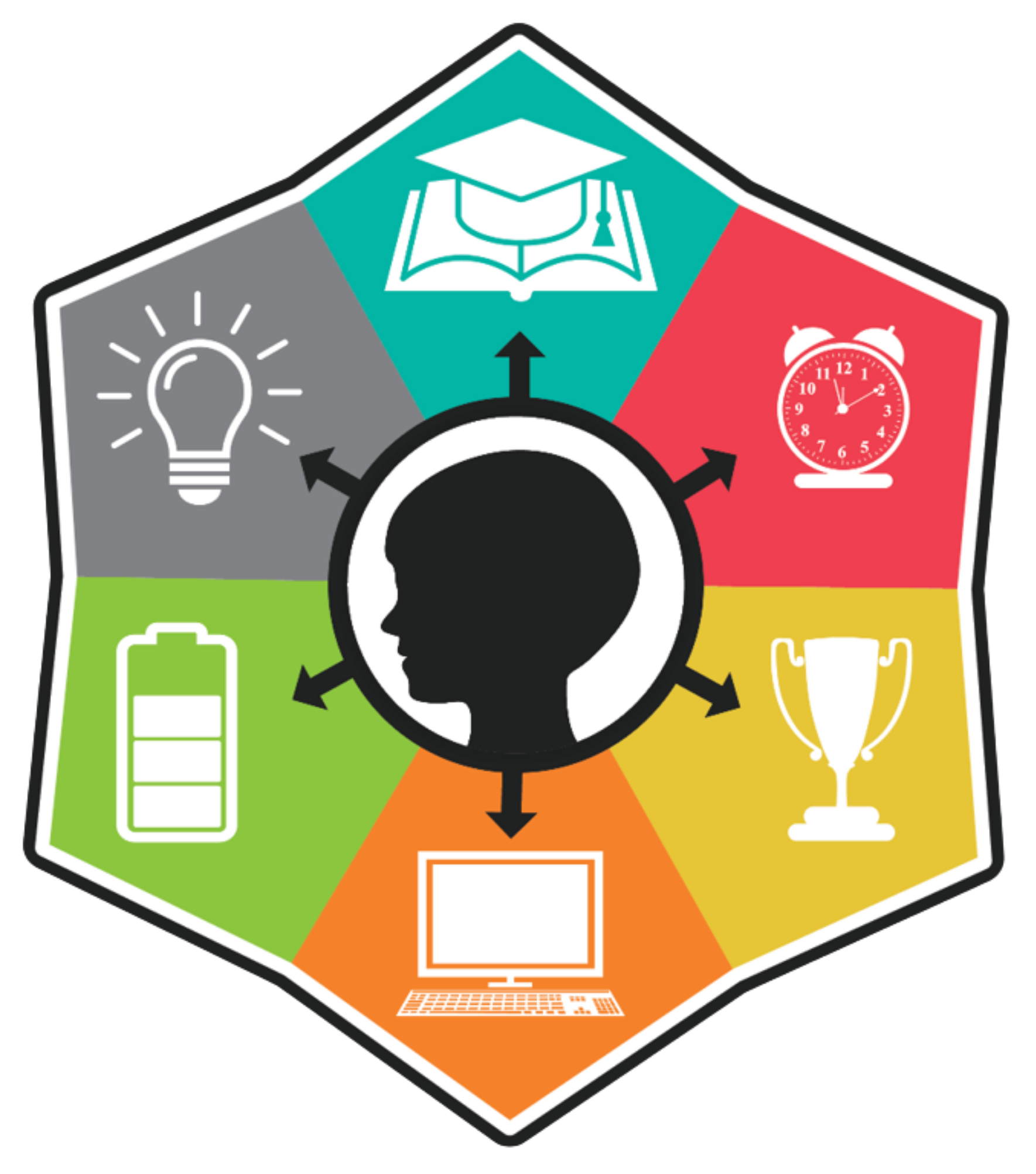
Duval County Public Schools is committed to supporting the mental health, behavioral health, and overall well-being of every student. School Behavioral Health services and supports help students develop the skills they need to succeed in school, build positive relationships, manage challenges, and remain engaged in learning.
Through a comprehensive, school-based behavioral health framework, DCPS works with students, families, educators, and community partners to promote prevention and early intervention, strengthen school connectedness, address barriers to learning, and respond to students experiencing mental health or behavioral health concerns.
Our approach recognizes that student well-being and academic success are connected. By providing access to prevention, intervention, crisis response, social-emotional supports, counseling, and connections to community resources, DCPS helps create safe, supportive, and inclusive learning environments where students can thrive.








The US Surgeon General reports one in five children and adolescents experience the signs and symptoms of a diagnosable behavioral disorder each year. This may result in significant disruptions of school classrooms, increased truancy, increased risk for alcohol and drug abuse and decreased graduation rates.
If your child is threatening self-harm, please contact Child Guidance’s Rapid Response team at 904-982-4911
Behavioral health clinicians in public schools:
Complement services already offered to students and families
Work within existing support services in the schools to help create a safer and more supportive school climate
Provide supportive services for school teachers and staff (i.e. professional development)
In addition, providing behavioral health services in schools, in partnership with school and community mental health providers, has proven to promote:
Increased academic achievement
Improved behaviors in the school and decreased disciplinary actions
Less school violence and reduced dropout
Increased academic engagement and motivation
Improved school climate
The US Surgeon General reports one in five children and adolescents experience the signs and symptoms of a diagnosable behavioral disorder each year. This may result in significant disruptions of school classrooms, increased truancy, increased risk for alcohol and drug abuse and decreased graduation rates.
Behavioral health clinicians in public schools:
Complement services already offered to students and families
Work within existing support services in the schools to help create a safer and more supportive school climate
Provide supportive services for school teachers and staff (i.e. professional development)
In addition, providing behavioral health services in schools, in partnership with school and community mental health providers, has proven to promote:
Increased academic achievement
Improved behaviors in the school and decreased disciplinary actions
Less school violence and reduced dropout
Increased academic engagement and motivation
Improved school climate
Need Help?
If you are concerned about a student's mental health, emotional well-being, or behavior, you do not have to navigate it alone.
For Students & Families
Find school-based support
Connect with a School Counselor or School Social Worker
Access Full Service Schools services
Find community behavioral health resources
Get crisis and suicide prevention suppor
Our Commitment
DCPS works collaboratively with students, families, schools, and community partners to strengthen the behavioral health support system available to students.
Our goal is to ensure that students have access to the right support at the right time, while strengthening protective factors, reducing barriers to learning, and creating school environments where every student feels safe, supported, connected, and ready to learn.
School Behavioral Health Contact Information
Katrina Taylor
Email Katrina Taylor
Director of School Behavioral Health
Office: (904) 390-2926
Fax: (904)390-2075